POLYMER EXPORT
  • Home
  • Products

    HDPE

    HDPE CRP100 Black

    HEX 4460 PE80+

    HDPE HFI 5110 ( MFI: 10 )

    HDPE 7000F Ilam (FILM)

    HDPE 5000s (Monofilament)

    Rotational HDPE 3840UA

    HDPE 54B04 (Injection)

    HDPE 62N07 (Injection)

    HDPE 52518 (Injection)

    HDPE EX5 (FILM)

    HDPE BL3 JAM (BlowMolding)

    HDPE CRP100N (PIPE)

    HDPE 7000F Mehr ( MHPC )

    LDPE

    LDPE 1969 (MFI: 6.9)

    LDPE 2047A (MFI: 4.7)

    LDPE 2125A (MFI: 2.5)

    LDPE 2100 (MFI: 0.3)

    LDPE 2130 (MFI: 0.3)

    LDPE 2119 (MFI: 1.9)

    LDPE 2102 (MFI: 1.9)

    LDPE 2420D (MFI: 0.25)

    LDPE 2420H (MFI: 1.9)

    LLDPE

    LLDPE 235F6 (MFI: 0.6)

    LLDPE 209AA AKPC (MFI: 0.9)

    LLDPE 22B02 (MFI: 2)

    LLDPE 22B03 (MFI: 3)

    LLDPE 209AA ARAK (MFI: 0.9)

    GPPS , HIPS , EPS , ABS

    PS GPPS 1540 (MFI: 11)

    PS GPPS 1161 (MFI: 4)

    SD0150 ABS

    PS GPPS 1551 (MFI: 9)

    EPS F300

    POLYPROPYLENE

    PP RP210G (Blow molding)

    PP 3212E (PIPE)

    PP 1102XL (Extrusion)

    PP 1104K (OPP)

    PP 1102XK (Raffia)

    PP 552R (Fiber)

    PETROCHEMICALS

    TDI 80/20 karoon

    Tri Ethylene glycol _TEG

    Acetic Acid

    MEG Recycle 99% ( Refined )

    MEG _ Mono Ethylene Glycol _ Green Drum

    Poly Aluminum Chloride (PAC)

    Liquid Paraffin / White Oil

    Pars Carbon Black

    NaOH _Caustic Soda Flakes

    Hypochlorite Calcium % 65-70

    VAM

    PEG

    MEG _ Mono Ethylene Glycol _ Shazand Arak _ Marun

    Fertilizer

    UREA 46% AGU ( ADBLUE )

    UREA 46 Prilled KHPC

  • About Us
  • Weekly Price
Menu
POLYMER EXPORT
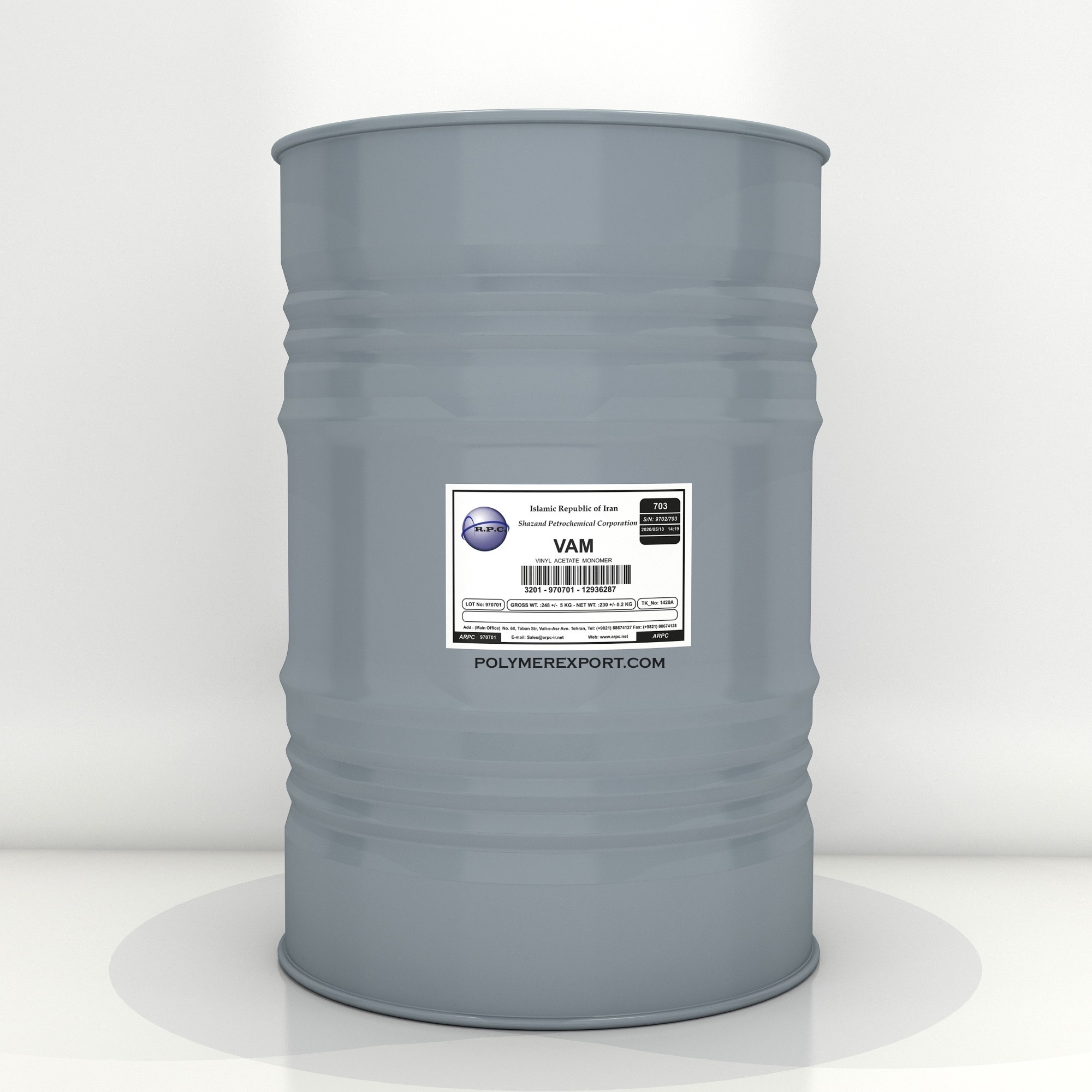
VAM
Vinyl Acetate Monomer
Click to enlarge
Home Petrochemicals VAM
22B02
LLDPE 22B02 (MFI: 2)
Back to products
POLYMER EXPORT
HDPE 62N07 (Injection)

VAM

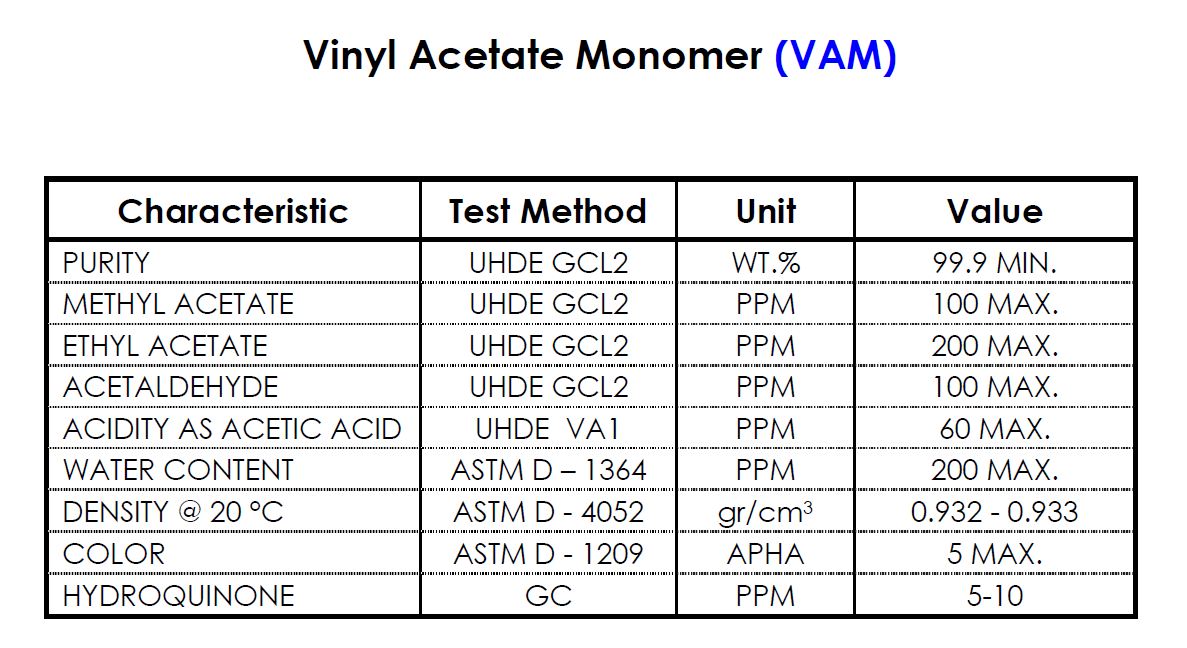
purity

99.8%

Vinyl Acetate Monomer

VINYLACETATE is a colourless, low-viscous, flammable liquid with an ester-like
odour. It is miscible with a number of solvents, but not with water. The vapour is
invisible and being heavier than air, it spreads out at floor level. VINYL ACETATE
forms explosive mixtures with air.

Chat With Us
Category: Petrochemicals Tags: Arpc, Export, VAM, Vinyl Acetate Monomer, VINYLACETATE
Share:
  • Description
  • Additional information
  • Reviews (0)
Description

VAM TDS

Application areas:

VINYLACETATE used for copolymerization and terpolymerization with other
monomers, like ethylene, vinyl chloride, acrylate, maleinate, fumarate,
vinyllaurate.
VINYLACETATE is a chemical building block used to manufacture a wide
variety of industrial and consumer products, including polyvinyl acetate used
to produce paints, adhesives and coatings for flexible substrates;
polyvinylalcohol used to produce adhesives, coatings and water soluble
packaging films; polyvinyl acetals used to produce insulation for magnetic
wire, interlayers for safety glass, wash primers and coatings; ethylene vinyl
acetate copolymers used to produce flexible films, coatings, adhesives,
moldings and insulation; and ethylene vinyl alcohol used to produce gas
barrier layers in coextruded packaging.


Storage conditions:
VINYLACETATE must keep under nitrogen blanket and at ambient temperature.
Grounding and bonding required. Protect from physical damage. Store
outside or in a detached building. Store with flammable liquids. Keep
separated from incompatible substances like acids, bases, metal oxides,
amines, combustible materials and oxidizing materials. Store in a tightly closed
container. Containers must have overpressure release device. Avoid heat,
flames, sparks and other sources of ignition.


Packing:
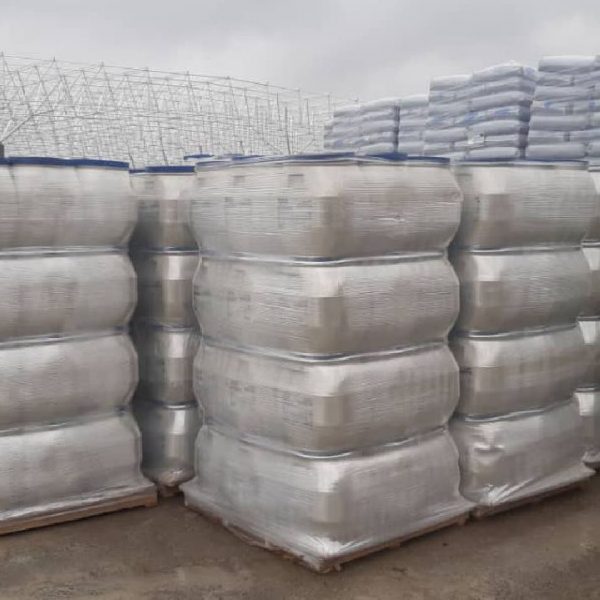
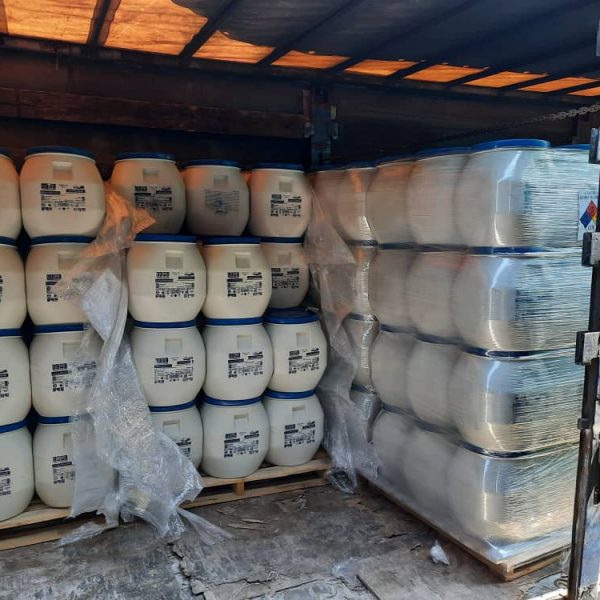
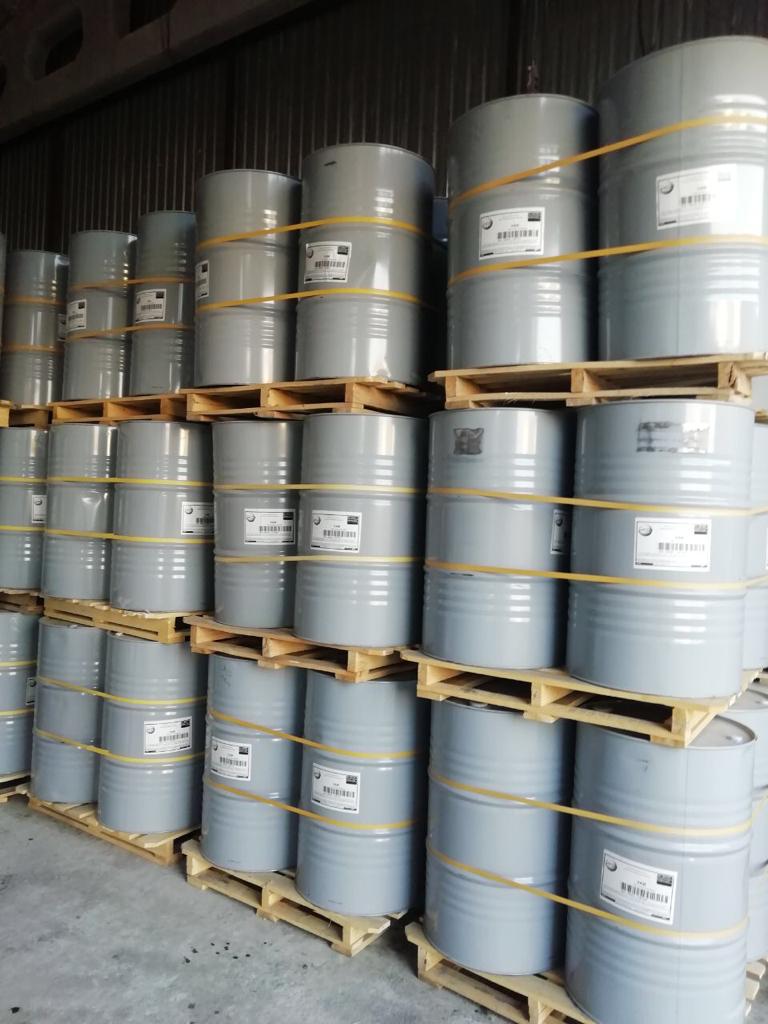
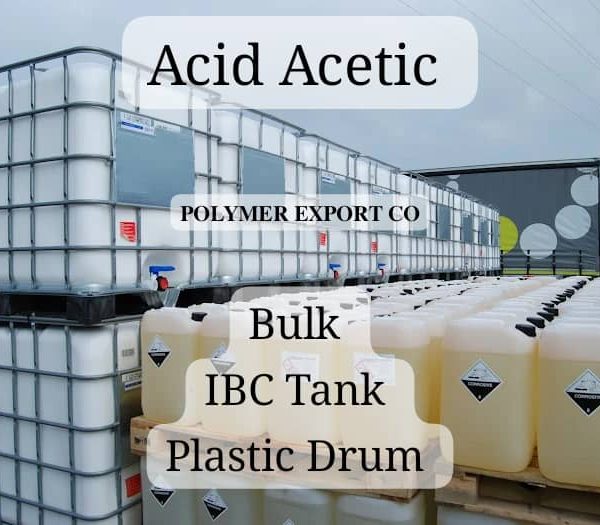
Bulk or in 230 Lit (net: 200 Kg) new drums, each 4 drums strapped on a pallet.
 

Additional information
purity

99.8%

Reviews (0)

Reviews

There are no reviews yet.

Be the first to review “VAM” Cancel reply

Your email address will not be published. Required fields are marked *

Related products

Poly Aluminum Chloride URPC
Poly Aluminum Chloride

Poly Aluminum Chloride (PAC)

Price FCA: 500_520$Mt Urmia Petrochemical Co URPCApplication:Purification Processes: • Clarification and purification of drinking water • Municipal and human sewage • Effluent of pulp and paper industries • Removal of heavy metal and hazardous compounds from Effluents • Leachate of urban garbage • Effluents of slaughterhouse and meat processing industries • Effluents of power plants and steel industries• Effluents of sanitary and detergent industries • Effluents of textile and dyeing industries • Effluents of dairy, food, beverage and oil extraction industries Industrial applications: • Production of high-quality papers in the paper industries • Production of concrete with higher consistency • Increasing the quality and efficiency of detergents in detergent and cleaning industries Packaging delivery and storage: The solid product can be supplied in 25 kg double-layered bags with the logo of Persian Gulf Petrochemical Industries Company and the liquid can be supplied in tankers and 1000 Liter non-metallic protected tanks (IBD). Solid product of this material should be protected from sunlight direct radiation on the bags and keep dry and away from moisture. The liquid product is classified as acidic and corrosive materials, so the maintenance and storage of liquid Poly Aluminum Chloride is done in containers and tankers made of PE or PVC or GRP or FRP. Also, all equipment and supplies for loading and unloading, such as pumps, pipes and hoses, must be resistant to acid containing chloride.Petro chemپلی الومینیوم کلراید پتروشیمی ارومیه 

Quick view
Triethylene glycol
Triethylene glycol پارس گلایکول

Tri Ethylene glycol _TEG

Tri Ethylene glycol(TEG) is a colorless, odorless, viscous liquid belonging to the glycol family. It has a high boiling point, low volatility, and hygroscopic properties, making it useful in several industries. Main Applications of Triethylene Glycol (TEG):
  1. Gas DehydTriethylene glycol ration (Natural Gas Industry)
TEG is the most widely used liquid desiccant for natural gas dehydration.It absorbs water from natural gas to prevent pipeline corrosion, hydrate formation, and freezing. 
  1. Plasticizer in Polymers
Used as a plasticizer in vinyl polymers and other resins to improve flexibility and durability. 
  1. Solvent
Functions as a solvent for resins, dyes, and certain chemicals due to its high solvency and stability. 
  1. Humectant
Its hygroscopic nature makes it useful as a humectant in adhesives, inks, and tobacco products. 
  1. Heat Transfer Fluid
Used in cooling and heating systems (though less than ethylene glycol or propylene glycol). 
  1. Disinfectant and Air Sanitizer
Exhibits antimicrobial properties.Historically, vaporized TEG was used in hospitals and public places to reduce airborne bacteria and viruses. 
  1. Chemical Intermediate
Used in the synthesis of plasticizers, polyesters, polyurethane, and other specialty chemicals. 
  1. Lubricants and Hydraulic Fluids
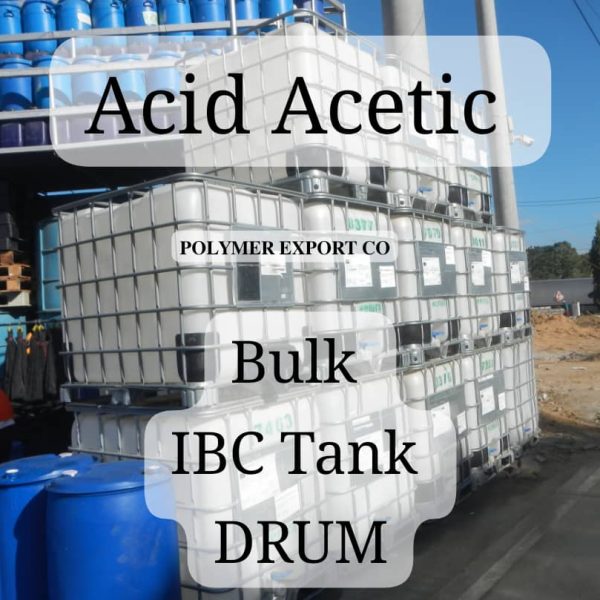
Serves as a base component in lubricants and specialty hydraulic fluids.  Packing: Bulk or in 220 Lit (net: 220 Kg) new drums, each 4 drums strapped on a pallet. 
Quick view
LDPE ARYA SASOL
LDPE 2119

LDPE 2119 (MFI: 1.9)

Download TDS  Product Description:LFI2119 is a low-density polyethylene, with excellent optical properties. This grade offers high output and excellent drawdown and specially designed for general-purpose thin films. LFI2119 has been manufactured under SABTEC licensed technology.Applications:Blown film extrusion, packaging film, general lamination filmStatus: Commercial: ActiveForm(s): PelletAttribute: Very good optical properties, good toughness, good melt strengthAdditives: Antioxidant: Yes Antiblock : No Slip Agent : No
MFI

1.9

Quick view
1102XK
1104K

PP 3212E (PIPE)

MFI

0.25

POLYMER TYPE : POLYPROPYLENE RANDOM COPOLYMER GRADE NAME : RG 3212 E PACKING : PP bags of 25 kgs, 50 bags on a pallet shrinked by PE APPLICATION : Pressure pipes, hot & cold water system, drinking water pipes, pipes for electrical appliances PRODUCT FEATURES : Random copolymer for extrusion applications with high melt stability PROCESSING METHOD : Extrusion
Quick view
Calcium Hypochlorite

Hypochlorite Calcium % 65-70

Active Chlorine _ % W/W

65%

This chemical is a white and dry granular with a purity of %65-%70. Calcium hypochlorite granules dissolve in water easily and are mainly used in water treatment for disinfection and removal of bacteria, algae and micro-organisms.

Physical specifications: White color solid granule, strong odor of chlorine. Soluble in water and alcohol with a strong reaction characteristic Stability and reactions: In high temperature is unstable. Reacts rapidly with oils and organic materials and is flammable. Handling and storage: Keep away from incompatible materials, reducing substances, organic materials, acids, combustible materials. Keep in cool and dry places. Environmental precautions: In case of spreading, collect and keep in containers having no incompatible materials. Packing and delivery: 25 kg containers 

 
Quick view
552R
PP552R

PP 552R (Fiber)

MFI

25

Description:″Jampilen HP552R″ is a high melt flow homopolymer for the production of CF, BCF and fine denier staple fibers at medium to high spinning speeds and exhibits excellent antigasfading properties. ″Jampilen HP552R″ is suitable for nonwoven fabrics for diapers, medical-sanitary applications and wipes. Another typical application is high tenacity continuous filament for straps for backpacks, sport bags, bulk bags and safety belts. Continuous filament with medium tenacity is used for upholstery and sportswear. ″Jampilen HP552R″ is also suited for the production of bulked continuous filament for carpets. ″Jampilen HP552R″ is suitable for food contact.Processing Method:Fiber Extrusion (CF, BCF, staple)Features:High melt flow Excellent antigasfading properties Good processability HomopolymerTypical Applications:Wipes and tissues Straps for backpacks, sport bags, bulk bags and for safety belts Upholstery and sportswear Bulk continuous filament for carpets Nonwoven staple fiber Injection molded articles, housewares, etcApproval: Food  
Quick view
tdi
tdi

TDI 80/20 karoon

TDI (TOLUENE DIISOCYANATE)پتروشیمی کارونApplication:furniture industry, bedding and carpets underlay to transportation equipment and packaging industries, surface coatings, sealants, adhesives and elastomers.  

Quick view
carbon black pars
N550 PARS

Pars Carbon Black

N330 N660 N550Carbon black (subtypes are acetylene black, channel black, furnace black, lamp black and thermal black) is a material produced by the incomplete combustion of coal and coal tar, vegetable matter, or petroleum products, including fuel oil, fluid catalytic cracking tar, and ethylene cracking in a limited supply of air. Carbon black is a form of paracrystalline carbon that has a high surface-area-to-volume ratio, albeit lower than that of activated carbon. It is dissimilar to soot in its much higher surface-area-to-volume ratio and significantly lower (negligible and non-bioavailable) polycyclic aromatic hydrocarbon (PAH) content. However, carbon black can be used as a model compound for diesel soot to better understand how diesel soot behaves under various reaction conditions as carbon black and diesel soot have some similar properties such as particle sizes, densities, and copolymer adsorption abilities that contribute to them having similar behaviours under various reactions such as oxidation experiments. Carbon black is used as a colorant and reinforcing filler in tires and other rubber products; pigment and wear protection additive in plastics, paints. The current International Agency for Research on Cancer (IARC) evaluation is that, “Carbon black is possibly carcinogenic to humans. Short-term exposure to high concentrations of carbon black dust may produce discomfort to the upper respiratory tract through mechanical irritation. The most common use (70%) of carbon black is as a pigment and reinforcing phase in automobile tires. Carbon black also helps conduct heat away from the tread and belt area of the tire, reducing thermal damage and increasing tire life. In other uses, the structure and arrangement of carbon black contribute to its increased conductive properties that are useful in lithium-ion batteries. Its low cost makes it a common addition to cathodes and anodes and is considered a safe replacement to lithium metal in lithium-ion batteries. About 20% of world production goes into belts, hoses, and other non-tire rubber goods. The remaining 10% use of carbon black comes from pigment in inks, coatings, and plastics, as well as being used as a conductive additive in lithium-ion batteries. Carbon black is added to polypropylene because it absorbs ultraviolet radiation, which otherwise causes the material to degrade. Carbon black particles are also employed in some radar absorbent materials, in photocopier and laser printer toner, and in other inks and paints. The high tinting strength and stability of carbon black has also provided use in coloring of resins and films. Carbon black has been used in various applications for electronics. A good conductor of electricity, carbon black is used as a filler mixed in plastics, elastomer, films, adhesives, and paints. It is used as an antistatic additive agent in automobile fuel caps and pipes. 
Quick view

Quick Access

  • Home
  • Products
  • About
  • Weekly Price

Products

  • HDPE
  • LDPE
  • LLDPE
  • GPPS , HIPS , EPS , ABS
  • PP
  • PETROCHEMICALS
  • GLYCOL
  • Butadiene Rubber

Contact Us

  • +44 7534 806647
  • Whatsapp Community
  • Marketing@polymerexport.com
  • Address 1: 30 Park Royal Rd, London NW10 7LQ, United Kingdom
  • Address 2: Pazh Commercial Tower 1, Mashhad, Iran
  • Address 3: Al Ghilani Tower, in front of Oman Mall , Muscat , Oman

Importer and Exporter

100% Secure Payments

Providing Essential Commercial Terms

We are available 24/7

Polymerexport Copyright 2022

  • Home
  • Products
  • About Us
  • Weekly Price
Start typing to see products you are looking for.