


Tri Ethylene glycol _TEG
Tri Ethylene glycol
(TEG) is a colorless, odorless, viscous liquid belonging to the glycol family. It has a high boiling point, low volatility, and hygroscopic properties, making it useful in several industries.
Main Applications of Triethylene Glycol (TEG):
- Gas DehydTriethylene glycol ration (Natural Gas Industry)
TEG is the most widely used liquid desiccant for natural gas dehydration.
It absorbs water from natural gas to prevent pipeline corrosion, hydrate formation, and freezing.
- Plasticizer in Polymers
Used as a plasticizer in vinyl polymers and other resins to improve flexibility and durability.
- Solvent
Functions as a solvent for resins, dyes, and certain chemicals due to its high solvency and stability.
- Humectant
Its hygroscopic nature makes it useful as a humectant in adhesives, inks, and tobacco products.
- Heat Transfer Fluid
Used in cooling and heating systems (though less than ethylene glycol or propylene glycol).
- Disinfectant and Air Sanitizer
Exhibits antimicrobial properties.
Historically, vaporized TEG was used in hospitals and public places to reduce airborne bacteria and viruses.
- Chemical Intermediate
Used in the synthesis of plasticizers, polyesters, polyurethane, and other specialty chemicals.
- Lubricants and Hydraulic Fluids
Serves as a base component in lubricants and specialty hydraulic fluids.
Packing:
Bulk or in 220 Lit (net: 220 Kg) new drums, each 4 drums strapped on a pallet.
Description
Additional information
| purity |
99.8% |
|---|
Reviews (0)
Related products
Pars Carbon Black
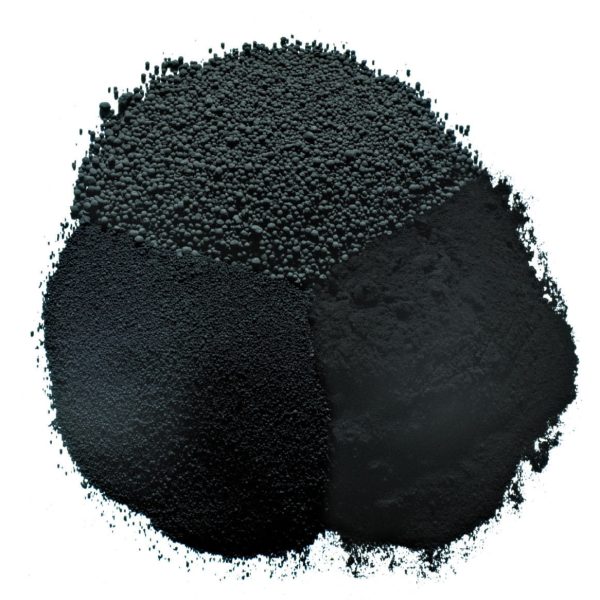
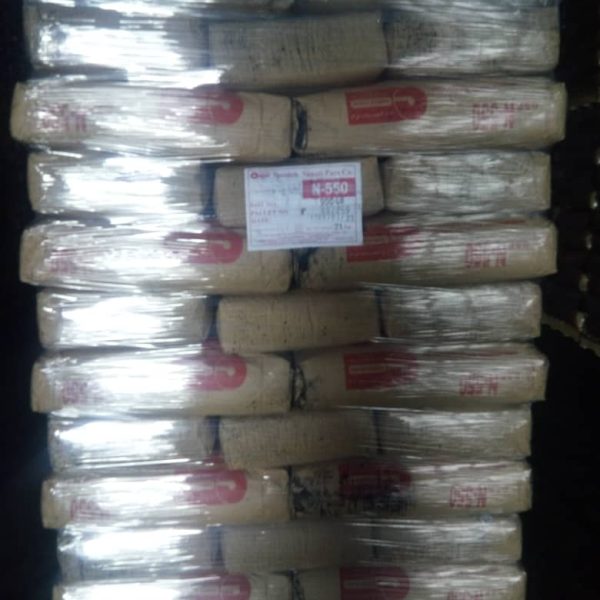
N330 N660 N550
Carbon black (subtypes are acetylene black, channel black, furnace black, lamp black and thermal black) is a material produced by the incomplete combustion of coal and coal tar, vegetable matter, or petroleum products, including fuel oil, fluid catalytic cracking tar, and ethylene cracking in a limited supply of air. Carbon black is a form of paracrystalline carbon that has a high surface-area-to-volume ratio, albeit lower than that of activated carbon. It is dissimilar to soot in its much higher surface-area-to-volume ratio and significantly lower (negligible and non-bioavailable) polycyclic aromatic hydrocarbon (PAH) content. However, carbon black can be used as a model compound for diesel soot to better understand how diesel soot behaves under various reaction conditions as carbon black and diesel soot have some similar properties such as particle sizes, densities, and copolymer adsorption abilities that contribute to them having similar behaviours under various reactions such as oxidation experiments. Carbon black is used as a colorant and reinforcing filler in tires and other rubber products; pigment and wear protection additive in plastics, paints.
The current International Agency for Research on Cancer (IARC) evaluation is that, “Carbon black is possibly carcinogenic to humans. Short-term exposure to high concentrations of carbon black dust may produce discomfort to the upper respiratory tract through mechanical irritation.
The most common use (70%) of carbon black is as a pigment and reinforcing phase in automobile tires. Carbon black also helps conduct heat away from the tread and belt area of the tire, reducing thermal damage and increasing tire life. In other uses, the structure and arrangement of carbon black contribute to its increased conductive properties that are useful in lithium-ion batteries. Its low cost makes it a common addition to cathodes and anodes and is considered a safe replacement to lithium metal in lithium-ion batteries. About 20% of world production goes into belts, hoses, and other non-tire rubber goods. The remaining 10% use of carbon black comes from pigment in inks, coatings, and plastics, as well as being used as a conductive additive in lithium-ion batteries.
Carbon black is added to polypropylene because it absorbs ultraviolet radiation, which otherwise causes the material to degrade. Carbon black particles are also employed in some radar absorbent materials, in photocopier and laser printer toner, and in other inks and paints. The high tinting strength and stability of carbon black has also provided use in coloring of resins and films. Carbon black has been used in various applications for electronics. A good conductor of electricity, carbon black is used as a filler mixed in plastics, elastomer, films, adhesives, and paints. It is used as an antistatic additive agent in automobile fuel caps and pipes.
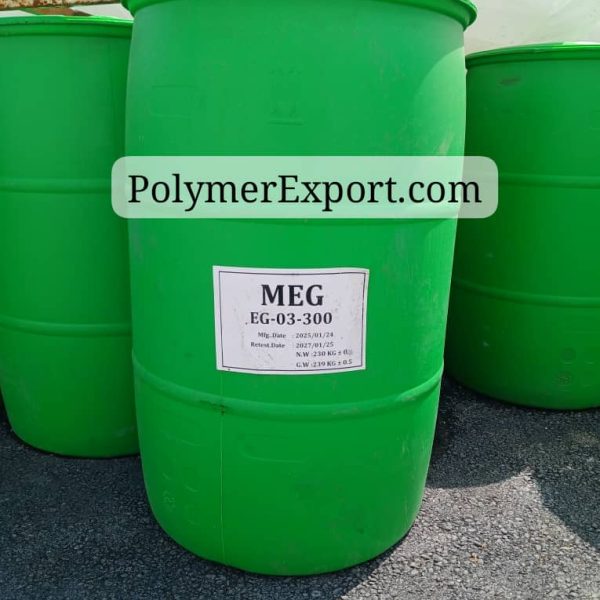
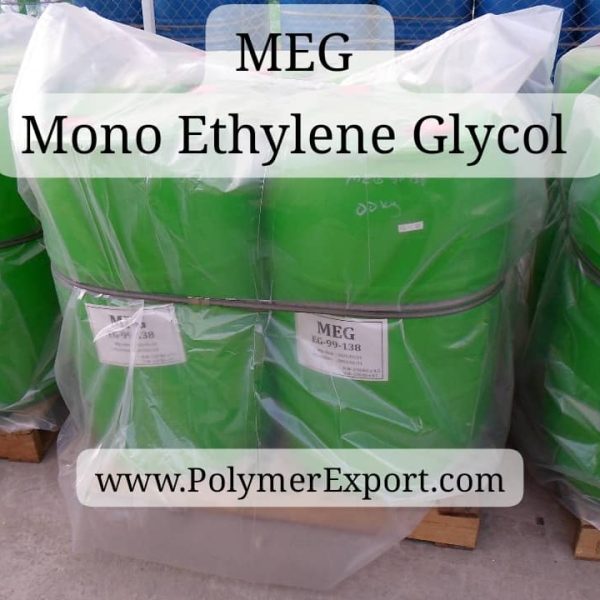
MEG _ Mono Ethylene Glycol _ Green Drum
week 27 Price CFR UAE : 570 $Mt
HS CODE :29053100
Mono Ethylene Glycol (MEG) is a colorless, odorless, viscous, and hygroscopic liquid belonging to the family of glycols. It is a type of ethylene glycol, produced through the reaction of ethylene oxide with water. MEG is one of the most widely used glycols and serves as a crucial raw material in various industrial applications.
IBC TANK , ISO TANK , BULK
Key Properties of MEG:
- Chemical Formula: C₂H₆O₂
- Molecular Weight: 62.07 g/mol
- Boiling Point: 197.6°C
- Freezing Point: -12.9°C
- Density: 1.113 g/cm³ at 20°C
- Miscibility: Completely miscible with water and many organic solvents
- Appearance: Clear, syrupy liquid
Applications of Mono Ethylene Glycol (MEG):
- Textile Industry:
- Used in the production of polyester fibers and fabrics.
- Acts as a raw material for polyester resins and polyethylene terephthalate (PET).
- Antifreeze and Coolants:
- Due to its low freezing point and high boiling point, MEG is a key ingredient in automotive antifreeze formulations.
- Used in HVAC systems to prevent freezing and corrosion.
- Plastic Industry:
- Major component in the manufacturing of PET, which is used in bottles, containers, and packaging materials.
- Chemical Intermediates:
- Used as a precursor in the synthesis of various chemical derivatives, including glycol ethers.
- Dehydration Agent:
- In natural gas processing, MEG is used to remove water from gas streams to prevent hydrate formation.
- Industrial and Consumer Products:
- Found in brake fluids, de-icing solutions, and as a solvent in inks and dyes.
Safety and Handling:
- MEG is toxic when ingested and can cause severe health issues, including central nervous system depression and kidney failure.
- Proper storage and handling practices include using protective equipment and ensuring good ventilation.
- In case of spills, containment and absorption using inert materials are recommended.
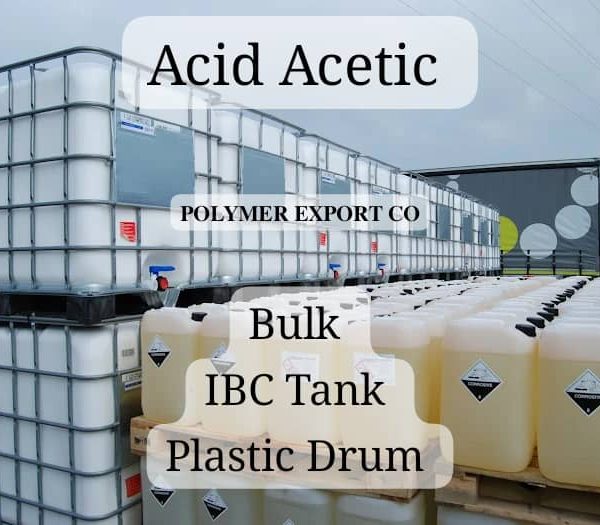
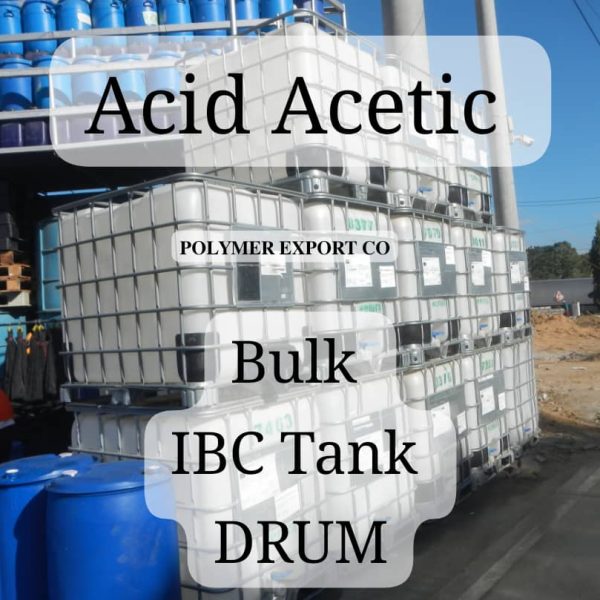
Acetic Acid
week 29 Drum Price CFR UAE : 520 $Mt
HS CODE :291521
Industrial Applications:
-
Chemical Manufacturing:Acetic acid is a crucial building block in the production of various chemicals, including acetic anhydride, vinyl acetate monomer (VAM), and cellulose acetate.
-
It's used in the creation of polyethylene terephthalate (PET) (used in beverage bottles), cellulose acetate (used in photographic film), and polyvinyl acetate (used in wood glue).
-
Textiles:Acetic acid is used in textile printing, dyeing, and the production of synthetic fibers.
-
Solvent:It acts as a solvent in the manufacture of resins and polymers, and for recrystallization to purify organic compounds.
Food Applications:
- Food Preservative: Acetic acid is a key component of vinegar, which is widely used as a food preservative and flavoring agent in pickles, condiments, and sauces.
- Food Additive: It is also used as a food additive (E260).
- Flavoring Agent: Acetic acid contributes to the sour taste in many food products.
Other Applications:
-
Cleaning and Descaling:Diluted acetic acid (vinegar) is a common household cleaning agent for removing limescale and cleaning surfaces.
-
Laboratory Use:It is used as a reagent, solvent, and pH regulator in various chemical reactions.
-
Medicine and Pharmaceuticals:Acetic acid has medicinal uses, including treating ear infections and as a reagent in drug synthesis.
-
Pesticides and Herbicides:It can be used in higher concentrations as a weed killer.
-
Carbon Capture:Researchers are exploring its use in capturing carbon dioxide from industrial exhaust.
- Packing:
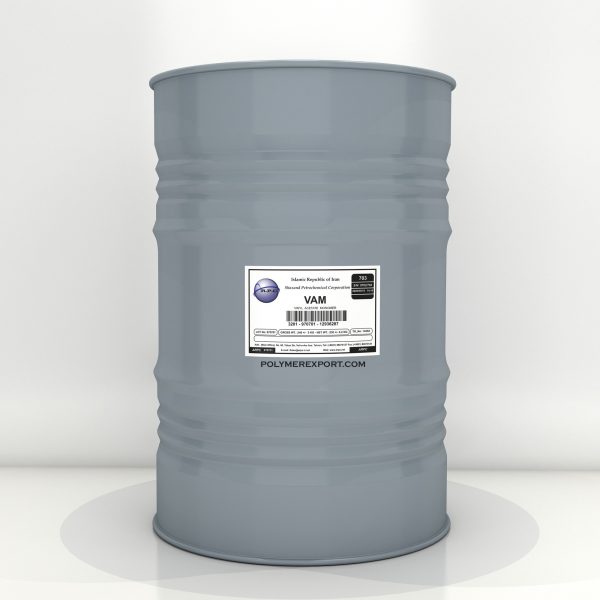
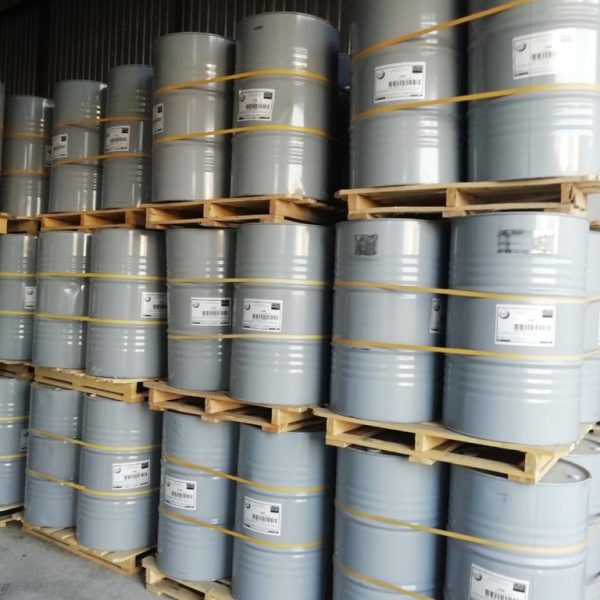
VAM
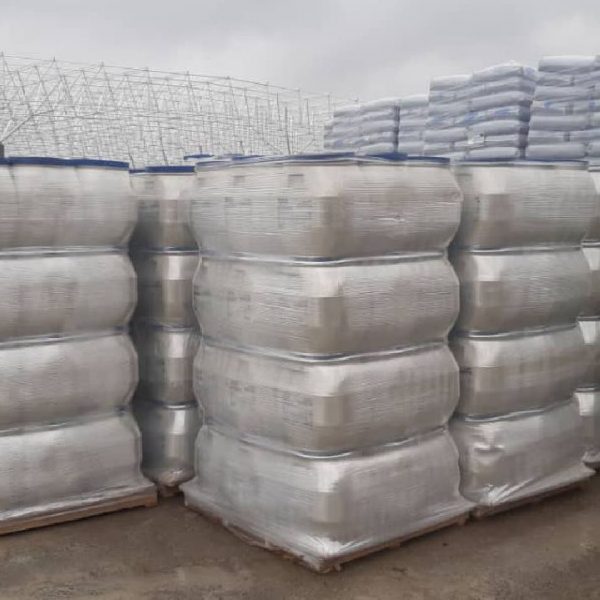
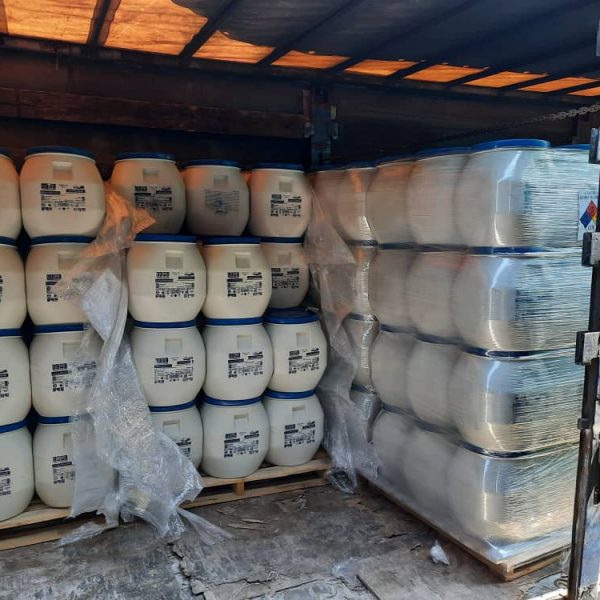
Hypochlorite Calcium % 65-70
This chemical is a white and dry granular with a purity of %65-%70. Calcium hypochlorite granules dissolve in water easily and are mainly used in water treatment for disinfection and removal of bacteria, algae and micro-organisms.
Physical specifications: White color solid granule, strong odor of chlorine. Soluble in water and alcohol with a strong reaction characteristic Stability and reactions: In high temperature is unstable. Reacts rapidly with oils and organic materials and is flammable. Handling and storage: Keep away from incompatible materials, reducing substances, organic materials, acids, combustible materials. Keep in cool and dry places. Environmental precautions: In case of spreading, collect and keep in containers having no incompatible materials. Packing and delivery: 25 kg containers
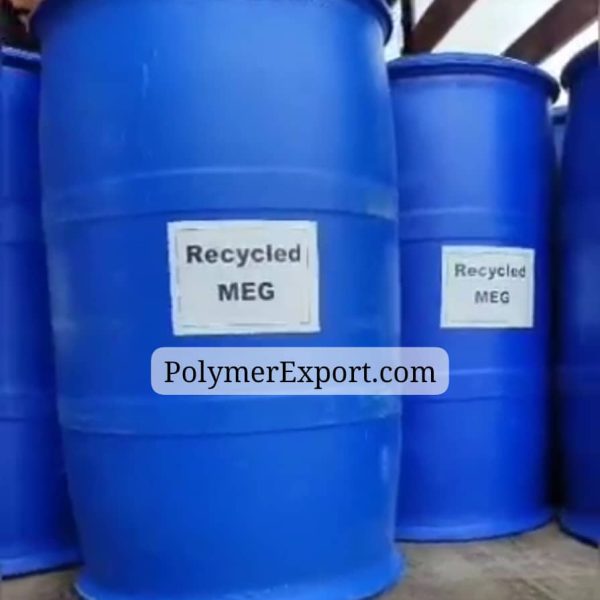
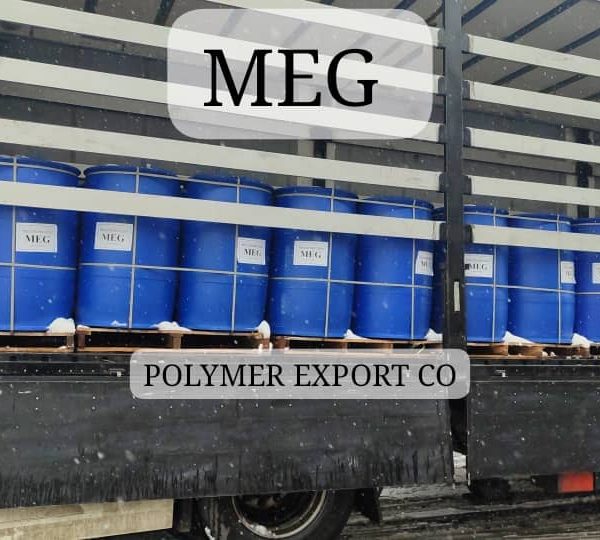
MEG Recycle 99% ( Refined )
week 27 Price CFR UAE : 510 $Mt
HS CODE :29053100
Mono Ethylene Glycol (MEG) is a colorless, odorless, viscous, and hygroscopic liquid belonging to the family of glycols. It is a type of ethylene glycol, produced through the reaction of ethylene oxide with water. MEG is one of the most widely used glycols and serves as a crucial raw material in various industrial applications.
IBC TANK , ISO TANK , BULK
Key Properties of MEG:
- Chemical Formula: C₂H₆O₂
- Molecular Weight: 62.07 g/mol
- Boiling Point: 197.6°C
- Freezing Point: -12.9°C
- Density: 1.113 g/cm³ at 20°C
- Miscibility: Completely miscible with water and many organic solvents
- Appearance: Clear, syrupy liquid
Applications of Mono Ethylene Glycol (MEG):
- Textile Industry:
- Used in the production of polyester fibers and fabrics.
- Acts as a raw material for polyester resins and polyethylene terephthalate (PET).
- Antifreeze and Coolants:
- Due to its low freezing point and high boiling point, MEG is a key ingredient in automotive antifreeze formulations.
- Used in HVAC systems to prevent freezing and corrosion.
- Plastic Industry:
- Major component in the manufacturing of PET, which is used in bottles, containers, and packaging materials.
- Chemical Intermediates:
- Used as a precursor in the synthesis of various chemical derivatives, including glycol ethers.
- Dehydration Agent:
- In natural gas processing, MEG is used to remove water from gas streams to prevent hydrate formation.
- Industrial and Consumer Products:
- Found in brake fluids, de-icing solutions, and as a solvent in inks and dyes.
Safety and Handling:
- MEG is toxic when ingested and can cause severe health issues, including central nervous system depression and kidney failure.
- Proper storage and handling practices include using protective equipment and ensuring good ventilation.
- In case of spills, containment and absorption using inert materials are recommended.
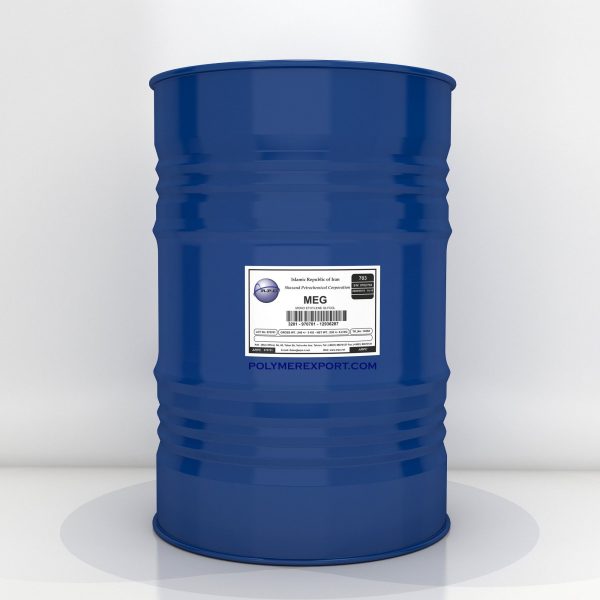
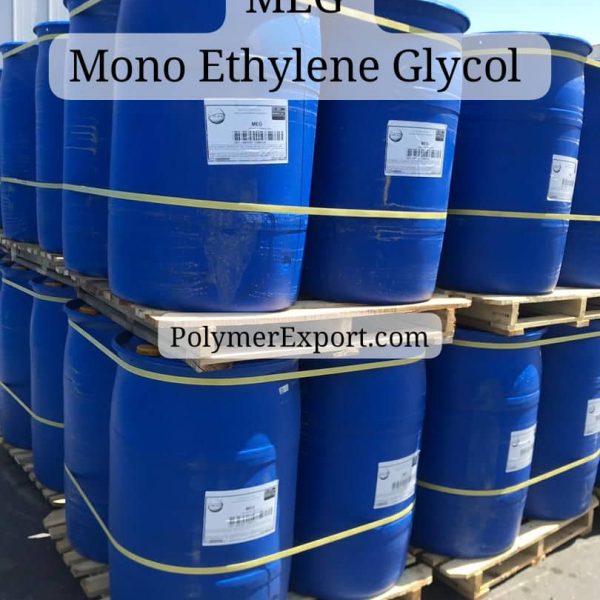
MEG _ Mono Ethylene Glycol _ Shazand Arak _ Marun
Price FCA: 500_540 $Mt
MONOETHYLENEGLYCOL obtained from the reaction of ethylene oxide and
water. It is a clear, transparent and odorless liquid that can be mixed with
water in any proportion.
Packing:
Bulk or in 220 Lit (net: 220 Kg) new drums, each 4 drums strapped on a pallet.
IBC TANK , ISO TANK , BULK
پتروشیمی شازند اراک و مارون و مروارید
Reviews
There are no reviews yet.