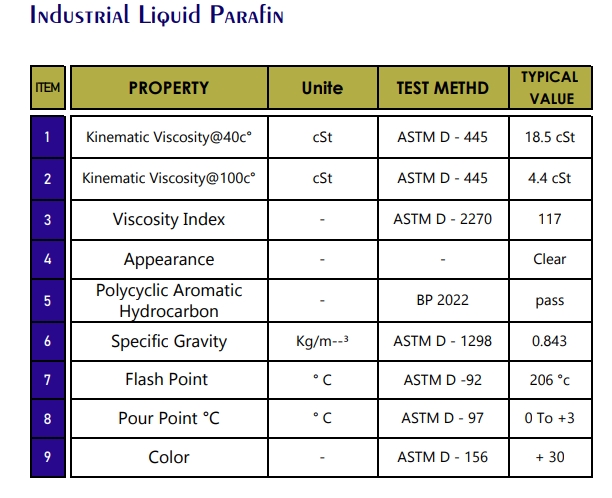
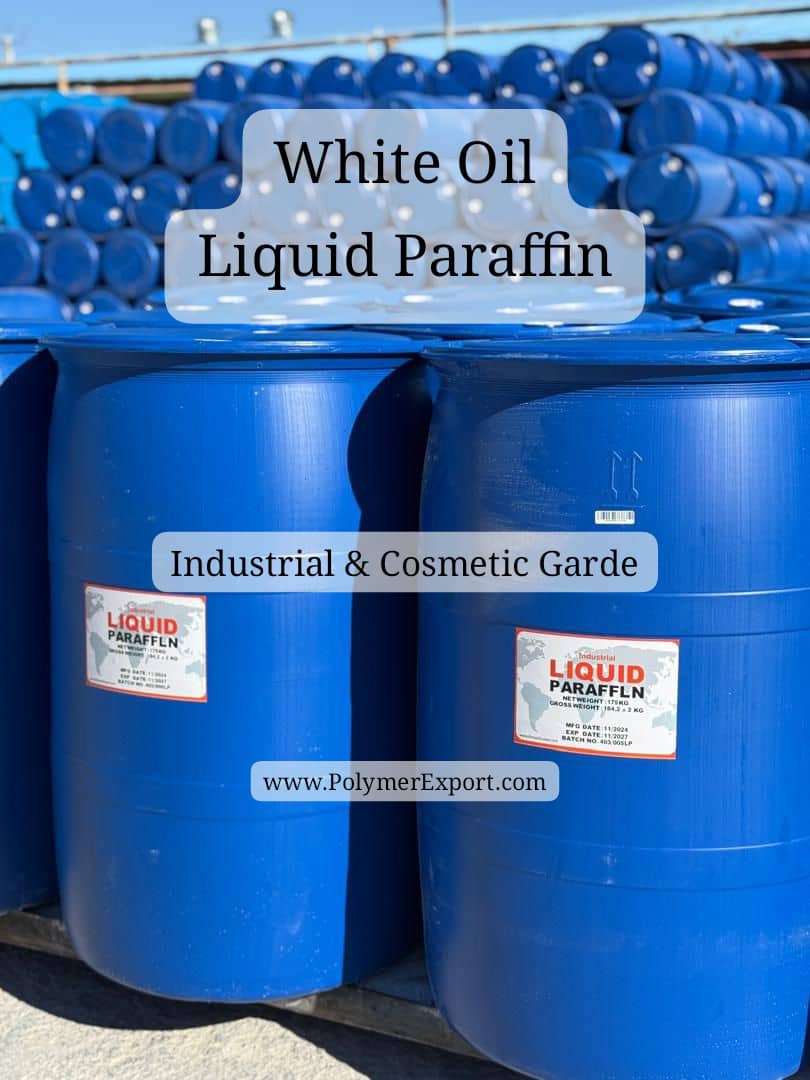
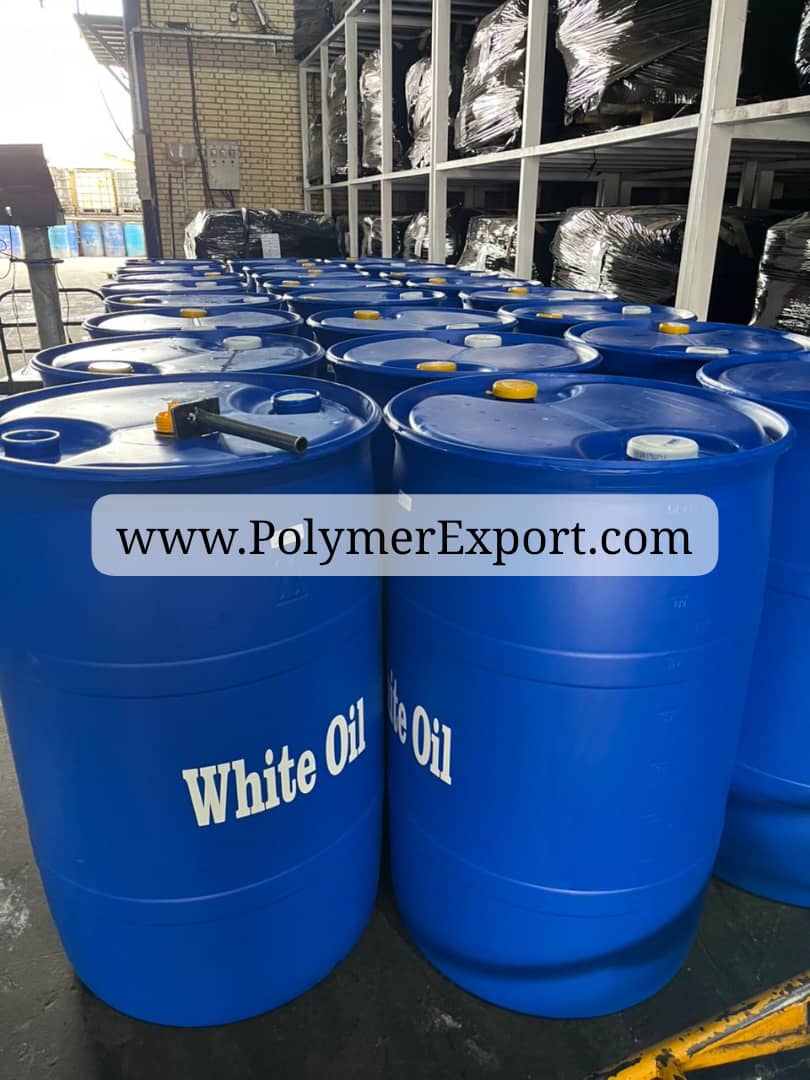
Liquid Paraffin / White Oil
FCA: 700_740 $Mt
Industrial & Cosmetic Grade
Application:
Fiber emulsion , Insecticides , Lubricants
Plastic production , Silicone oils , Paint stripper
Rubber & Tyre production , Solvents ,Furniture polishing
Dust control cleaning oils , Paper industry
Household chemicals (polishes, creams, candles, etc.) , Cosmetics
Food industry and agriculture (cheese-coating, poultry processing, fruit preservation, etc.)
وایت اویل همون پارافین مایع هست که ناخالصی ها رو ازش جدا کردن و هیچ ناخالصی نداره
دو مدل وایت اویل هست که یکیش حاصل از آیزوریسایکل تهران و یکیش هم حاصل از آیزو اصفهان
تفاوت این دو نوع در ویسکوزیته هست
پارافین مایع خام درواقع رنگبری نشده هست
و تفاوت در رنگ و ویسکوزیته هست
و پارافین مایع اصفهان رنگبری سختی داره
Related products
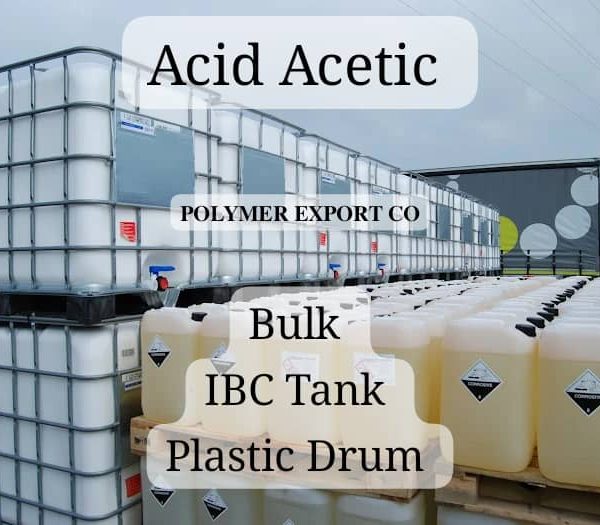
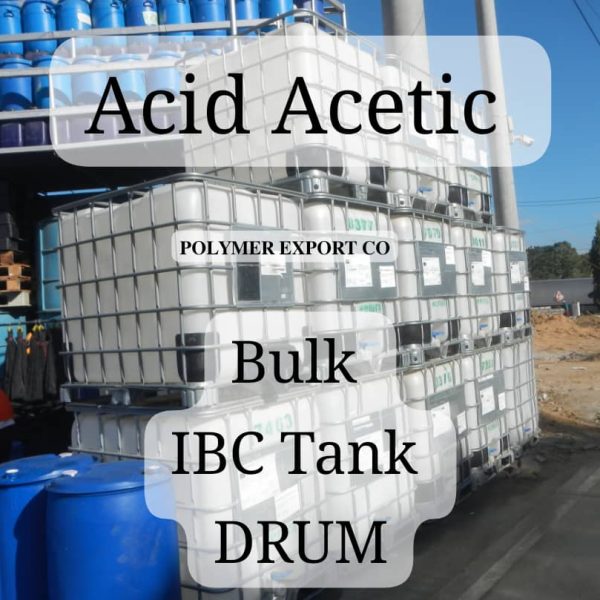
Acetic Acid
week 29 Drum Price CFR UAE : 520 $Mt
HS CODE :291521
Industrial Applications:
-
Chemical Manufacturing:Acetic acid is a crucial building block in the production of various chemicals, including acetic anhydride, vinyl acetate monomer (VAM), and cellulose acetate.
-
It's used in the creation of polyethylene terephthalate (PET) (used in beverage bottles), cellulose acetate (used in photographic film), and polyvinyl acetate (used in wood glue).
-
Textiles:Acetic acid is used in textile printing, dyeing, and the production of synthetic fibers.
-
Solvent:It acts as a solvent in the manufacture of resins and polymers, and for recrystallization to purify organic compounds.
Food Applications:
- Food Preservative: Acetic acid is a key component of vinegar, which is widely used as a food preservative and flavoring agent in pickles, condiments, and sauces.
- Food Additive: It is also used as a food additive (E260).
- Flavoring Agent: Acetic acid contributes to the sour taste in many food products.
Other Applications:
-
Cleaning and Descaling:Diluted acetic acid (vinegar) is a common household cleaning agent for removing limescale and cleaning surfaces.
-
Laboratory Use:It is used as a reagent, solvent, and pH regulator in various chemical reactions.
-
Medicine and Pharmaceuticals:Acetic acid has medicinal uses, including treating ear infections and as a reagent in drug synthesis.
-
Pesticides and Herbicides:It can be used in higher concentrations as a weed killer.
-
Carbon Capture:Researchers are exploring its use in capturing carbon dioxide from industrial exhaust.
- Packing:
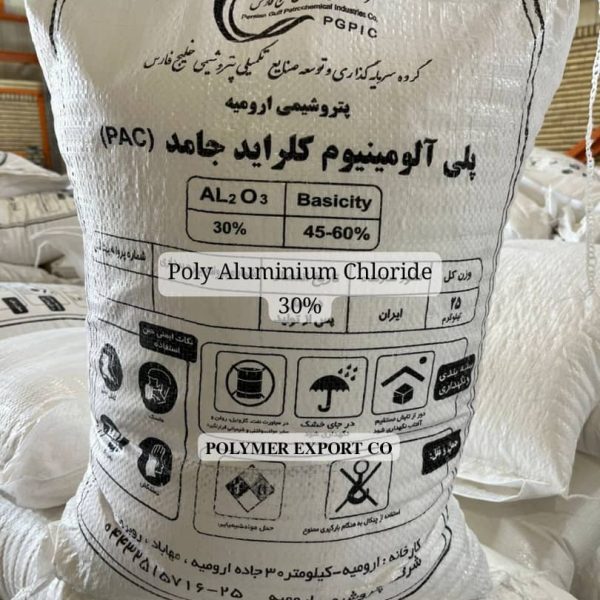
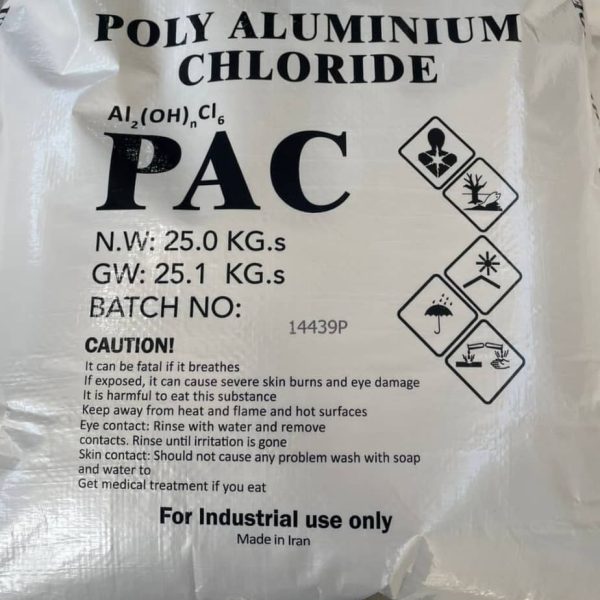
Poly Aluminum Chloride (PAC)
Price FCA: 500_520$Mt
Urmia Petrochemical Co URPC
Application:
Purification Processes:
•
Clarification and purification of drinking water
•
Municipal and human sewage
•
Effluent of pulp and paper industries
•
Removal of heavy metal and hazardous compounds from Effluents
•
Leachate of urban garbage
•
Effluents of slaughterhouse and meat processing industries
•
Effluents of power plants and steel industries
•
Effluents of sanitary and detergent industries
•
Effluents of textile and dyeing industries
•
Effluents of dairy, food, beverage and oil extraction industries Industrial applications:
•
Production of high-quality papers in the paper industries
•
Production of concrete with higher consistency
•
Increasing the quality and efficiency of detergents in detergent and cleaning industries
Packaging delivery and storage:
The solid product can be supplied in 25 kg double-layered bags with the logo of Persian Gulf Petrochemical Industries Company and the liquid can be supplied in tankers and 1000 Liter non-metallic protected tanks (IBD).
Solid product of this material should be protected from sunlight direct radiation on the bags and keep dry and away from moisture.
The liquid product is classified as acidic and corrosive materials, so the maintenance and storage of liquid Poly Aluminum Chloride is done in containers and tankers made of PE or PVC or GRP or FRP.
Also, all equipment and supplies for loading and unloading, such as pumps, pipes and hoses, must be resistant to acid containing chloride.
Petro chem
پلی الومینیوم کلراید پتروشیمی ارومیه
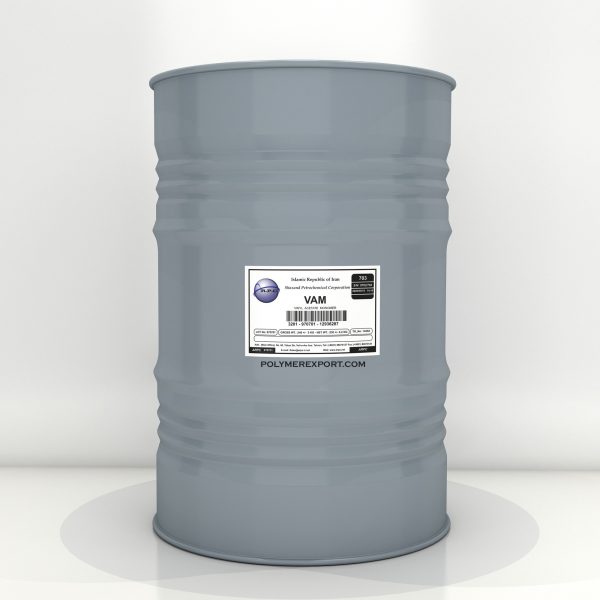
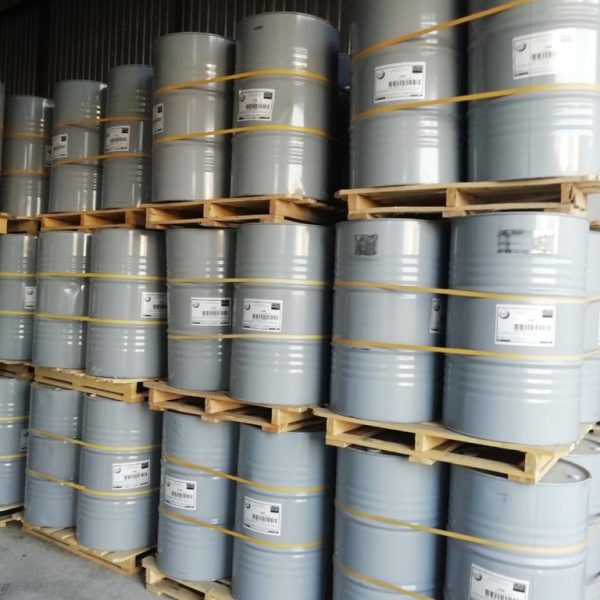
VAM
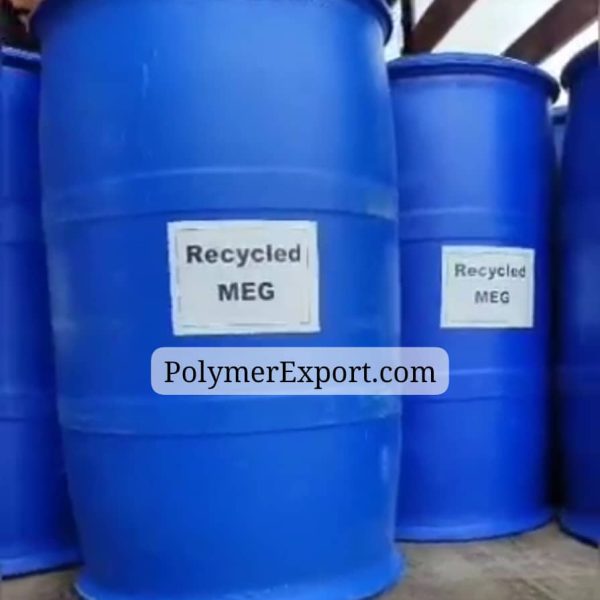
MEG Recycle 99% ( Refined )
week 27 Price CFR UAE : 510 $Mt
HS CODE :29053100
Mono Ethylene Glycol (MEG) is a colorless, odorless, viscous, and hygroscopic liquid belonging to the family of glycols. It is a type of ethylene glycol, produced through the reaction of ethylene oxide with water. MEG is one of the most widely used glycols and serves as a crucial raw material in various industrial applications.
IBC TANK , ISO TANK , BULK
Key Properties of MEG:
- Chemical Formula: C₂H₆O₂
- Molecular Weight: 62.07 g/mol
- Boiling Point: 197.6°C
- Freezing Point: -12.9°C
- Density: 1.113 g/cm³ at 20°C
- Miscibility: Completely miscible with water and many organic solvents
- Appearance: Clear, syrupy liquid
Applications of Mono Ethylene Glycol (MEG):
- Textile Industry:
- Used in the production of polyester fibers and fabrics.
- Acts as a raw material for polyester resins and polyethylene terephthalate (PET).
- Antifreeze and Coolants:
- Due to its low freezing point and high boiling point, MEG is a key ingredient in automotive antifreeze formulations.
- Used in HVAC systems to prevent freezing and corrosion.
- Plastic Industry:
- Major component in the manufacturing of PET, which is used in bottles, containers, and packaging materials.
- Chemical Intermediates:
- Used as a precursor in the synthesis of various chemical derivatives, including glycol ethers.
- Dehydration Agent:
- In natural gas processing, MEG is used to remove water from gas streams to prevent hydrate formation.
- Industrial and Consumer Products:
- Found in brake fluids, de-icing solutions, and as a solvent in inks and dyes.
Safety and Handling:
- MEG is toxic when ingested and can cause severe health issues, including central nervous system depression and kidney failure.
- Proper storage and handling practices include using protective equipment and ensuring good ventilation.
- In case of spills, containment and absorption using inert materials are recommended.
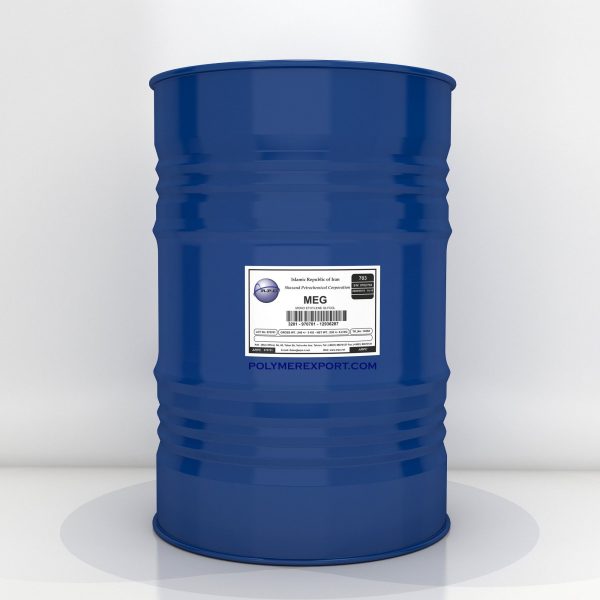
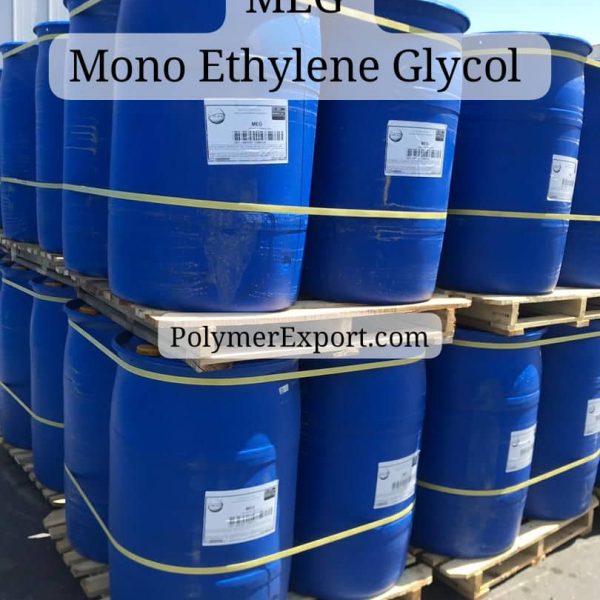
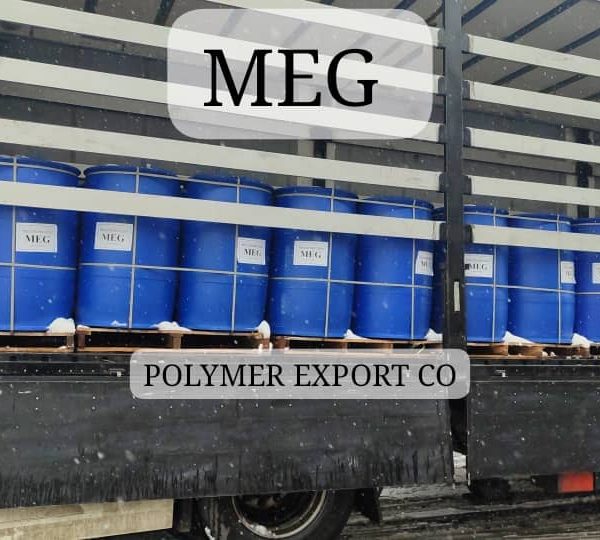
MEG _ Mono Ethylene Glycol _ Shazand Arak _ Marun
Price FCA: 500_540 $Mt
MONOETHYLENEGLYCOL obtained from the reaction of ethylene oxide and
water. It is a clear, transparent and odorless liquid that can be mixed with
water in any proportion.
Packing:
Bulk or in 220 Lit (net: 220 Kg) new drums, each 4 drums strapped on a pallet.
IBC TANK , ISO TANK , BULK
پتروشیمی شازند اراک و مارون و مروارید
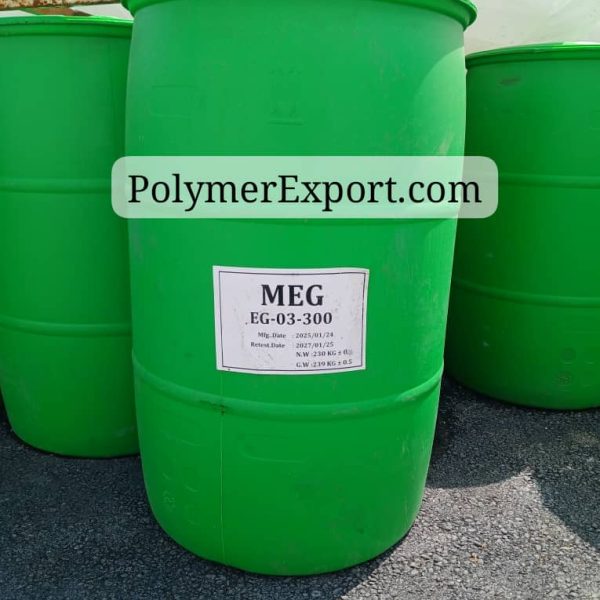
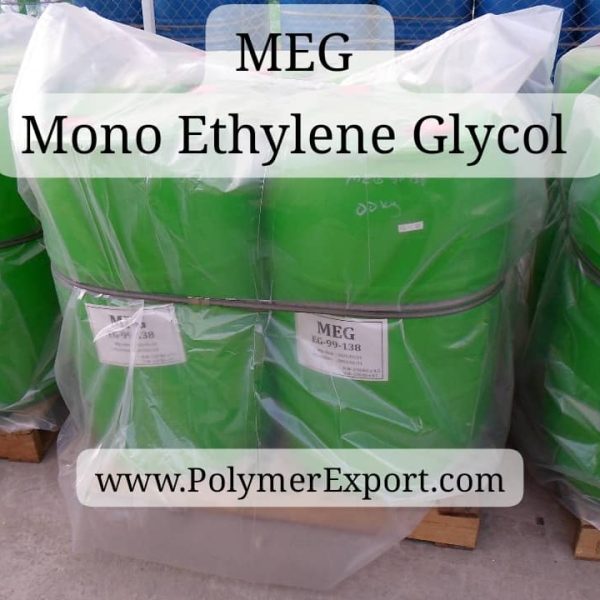
MEG _ Mono Ethylene Glycol _ Green Drum
week 27 Price CFR UAE : 570 $Mt
HS CODE :29053100
Mono Ethylene Glycol (MEG) is a colorless, odorless, viscous, and hygroscopic liquid belonging to the family of glycols. It is a type of ethylene glycol, produced through the reaction of ethylene oxide with water. MEG is one of the most widely used glycols and serves as a crucial raw material in various industrial applications.
IBC TANK , ISO TANK , BULK
Key Properties of MEG:
- Chemical Formula: C₂H₆O₂
- Molecular Weight: 62.07 g/mol
- Boiling Point: 197.6°C
- Freezing Point: -12.9°C
- Density: 1.113 g/cm³ at 20°C
- Miscibility: Completely miscible with water and many organic solvents
- Appearance: Clear, syrupy liquid
Applications of Mono Ethylene Glycol (MEG):
- Textile Industry:
- Used in the production of polyester fibers and fabrics.
- Acts as a raw material for polyester resins and polyethylene terephthalate (PET).
- Antifreeze and Coolants:
- Due to its low freezing point and high boiling point, MEG is a key ingredient in automotive antifreeze formulations.
- Used in HVAC systems to prevent freezing and corrosion.
- Plastic Industry:
- Major component in the manufacturing of PET, which is used in bottles, containers, and packaging materials.
- Chemical Intermediates:
- Used as a precursor in the synthesis of various chemical derivatives, including glycol ethers.
- Dehydration Agent:
- In natural gas processing, MEG is used to remove water from gas streams to prevent hydrate formation.
- Industrial and Consumer Products:
- Found in brake fluids, de-icing solutions, and as a solvent in inks and dyes.
Safety and Handling:
- MEG is toxic when ingested and can cause severe health issues, including central nervous system depression and kidney failure.
- Proper storage and handling practices include using protective equipment and ensuring good ventilation.
- In case of spills, containment and absorption using inert materials are recommended.
Hypochlorite Calcium % 65-70
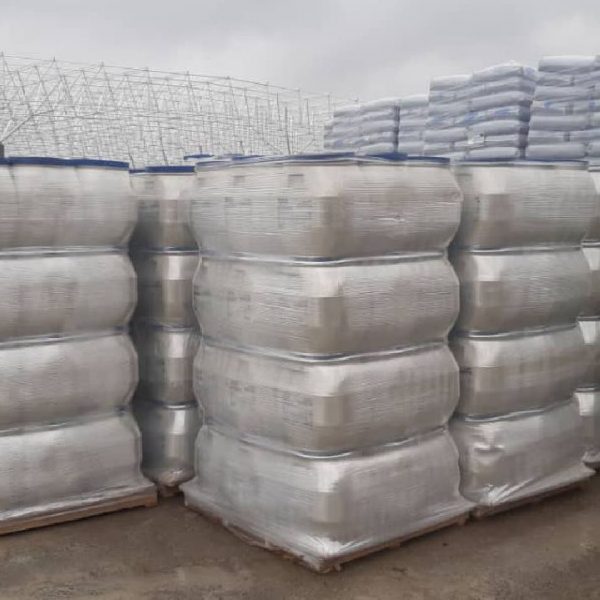
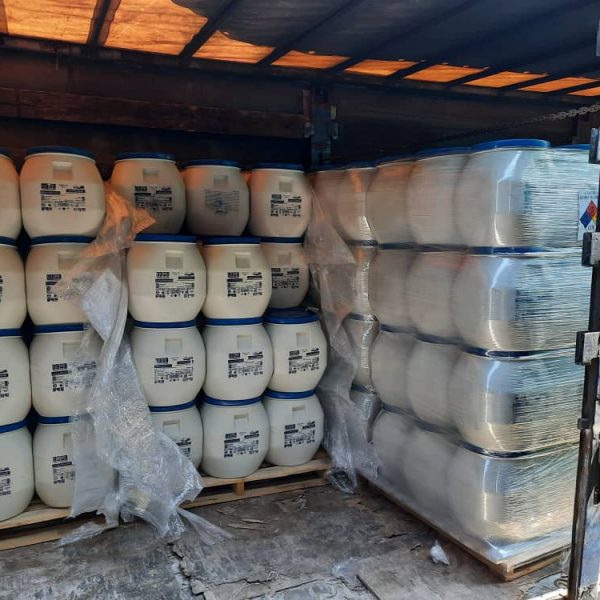
This chemical is a white and dry granular with a purity of %65-%70. Calcium hypochlorite granules dissolve in water easily and are mainly used in water treatment for disinfection and removal of bacteria, algae and micro-organisms.
Physical specifications: White color solid granule, strong odor of chlorine. Soluble in water and alcohol with a strong reaction characteristic Stability and reactions: In high temperature is unstable. Reacts rapidly with oils and organic materials and is flammable. Handling and storage: Keep away from incompatible materials, reducing substances, organic materials, acids, combustible materials. Keep in cool and dry places. Environmental precautions: In case of spreading, collect and keep in containers having no incompatible materials. Packing and delivery: 25 kg containers
Reviews
There are no reviews yet.